
The Morning Dilemma: Gentle Nasal Strip Removal
You wake up in the morning to a long-awaited good night’s sleep, with no snoring and smooth breathing. However, as you step into the bathroom to start your day, you are faced with a dreaded “ritual”: placing a…
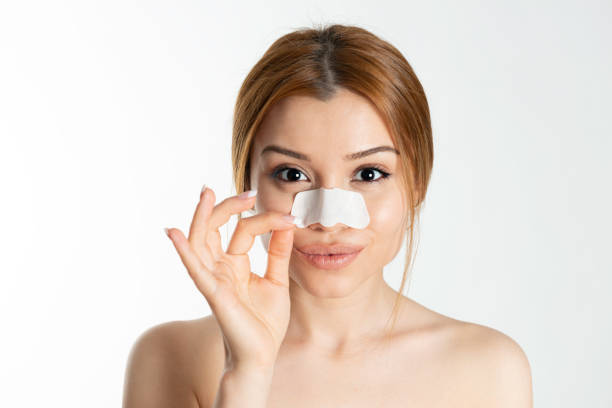
nasal strips.Tear off the Nasal Strips .
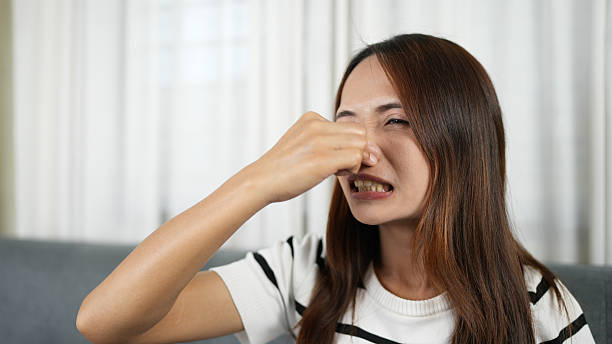
This sensation can sometimes feel like a mini facial hair removal, accompanied by stinging, redness, and sometimes even flakes of skin.
Many people find themselves in a dilemma:
Choose suffocating sleep or going out with a red nose every morning?
As a seasoned industry observer, I want to tell you:
.Pain is not an inevitable part of using nasal strips .
,This pain usually stems from incorrect removal techniques, not a defect in the product itself. Today, we’ll break down how to remove nasal strips without pain , teaching you a scientific and gentle way to say goodbye to “violent tearing.”
Why Does It Stick So Firmly? Understanding the Underlying Mechanical Dynamics
Before learning “how to peel,” we need to understand “why it’s hard to peel.” This isn’t because manufacturers intentionally want to torture your skin, but rather it’s a functional necessity.
Elasticity vs. Adhesion
strips relyNasal Strips relies on the rebound force of built-in spring-like bands to physically lift the nostrils. This force is continuous, moving outwards and upwards.
To counteract this force that tries to “bounce” the nose strip away, the adhesive backing must possess extremely high shear adhesion strength. Simply put, if the glue isn’t strong enough, it simply won’t open your nasal cavity.
,Therefore, when we try to protect skin from nasal strips , we’re dealing with a precisely calculated industrial-grade medical adhesive. A hard-on dry removal is tantamount to wrestling with chemical bonds.
Golden Rule #1: Water is the Best Solvent (The Hydro-Release Method)
offIf you’re still peeling nose strips directly onto dry skin, please stop this self-harming behavior immediately. The simplest and most effective gentle removal tips are actually hidden in your faucet.
Synchronized Actions During Morning Face Washing
The ideal time to remove it is when you wash your face or take a shower in the morning.
- Warm water soak: Before you start peeling off the nose strip, thoroughly wet the area with warm water, or apply a warm, damp towel to your nose for 30-60 seconds.
- Waiting for penetration: Moisture will gradually penetrate the non-woven fabric or breathable material, softening the underlying acrylic or hydrocolloid adhesive.
- Feel the changes: When you feel the edges of the nose strip begin to loosen and are no longer as stiff as when you first woke up, that’s when it’s time to take action.
This method utilizes the physical degradation of adhesive properties by water, which can reduce the pulling pain during tearing by more than 80%.
Golden Rule #2: Use Oil to Dissolve Glue (The Oil Dissolution)
nasalFor users with dry or sensitive skin, simply using water may not be enough. In this case, we need to introduce oils to completely break down the bond between the Nasal strip adhesive residue and the skin.
Remove Nose Strips Like You Would Remove Makeup
Medical pressure-sensitive adhesive can be effectively dissolved in any oily medium. You can use:
- Cleansing Oil
- Coconut oil
- Baby oil
Operating steps:
- .Before removing the strip, apply a small amount of oil to the edges of the nasal strip using a cotton swab .
- You can even apply oil directly to the surface of the strip and wait 1-2 minutes.
- The oil will penetrate the adhesive layer, severing the bond between the adhesive molecules and the stratum corneum.
- At this point, you’ll find that the strip almost “slides” off, requiring no pulling.
.This is the ultimate solution to the problem of how to remove a nose strip without pain .
Key Technique: Avoid “Unilateral Violent Tearing”
Once the “softening” issue is resolved, technique is equally crucial. 90% of skin redness and swelling is due to incorrect tearing direction.
Incorrect Action
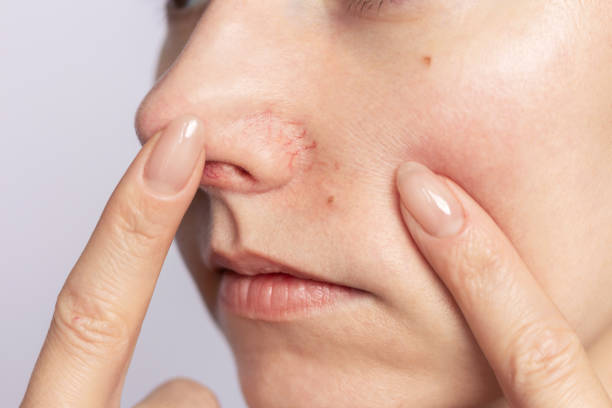
nose.”Like tearing off a band-aid, pinch one end and quickly and violently tear it off to the other. This action generates a huge lateral shearing force, which can easily cause the epidermis to peel off and even sever capillaries, forming a “strawberry nose”.
The Correct “Central Axis Method”
To minimize strain on the skin, please follow these steps:
- nasal stripsLoosen the wings: First, gently lift the “wings” at both ends of the Nasal Strips that are fixed to the sides of the cheeks/nose with your fingers.
- To bring it together in the middle: Pinch the loose ends and slowly lift it towards the middle of the bridge of your nose.
- Vertically upward: When the two sides tear to the center of the bridge of the nose, gently lift upward to let it separate from the bridge of the nose.
This “from both sides to the middle” technique follows the texture of the facial skin and avoids skin sagging caused by excessive pulling in one direction.
Post-Treatment Care: Residue and Skin Barrier Repair
After successfully removing the nose strip, you may find a dark, sticky residue around your nose, or your skin may be slightly red.
Say Goodbye to Stubborn Offset Printing
;Nasal strip adhesive residue appears , never try to pick it off with your fingernails, as this will scratch your skin.
- Using alcohol wipes? Use with caution. While alcohol can remove adhesive, it is too irritating to skin that has just been physically stimulated.
- Recommended solution: Continue using the makeup remover or moisturizer you just used, massage the residue in circular motions for 30 seconds, then rinse with warm water.
Rebuild Barrier
CentellaFor long-term users, the skin barrier on the bridge of the nose may become thinner. It is recommended to apply a repair cream containing ceramides or centella asiatica extract to the bridge of the nose as part of your morning skincare routine.
Don’t Let Pain Ruin Your Health!
.Nasal strips are a great non-drug tool that shouldn’t be the source of your morning ache. With “softening in warm water,” “oil dissolving,” and the correct “centripetal tearing” technique, you can have complete control over the entire process of removing nasal strips without pain .
Starting today, turn peeling off nose strips from a “torture” into an easy step in your morning skincare routine. Protect your nose; after all, you’ll need it to help you get a good night’s sleep tonight.
FAQ
nasal strips1. Will wearing Nasal Strips every night cause the skin on my nose to sag?
If you use a “violent tearing” method every day, the repeated stretching may indeed lead to loose skin texture in the long run. However, if you strictly follow the “warm water/oil-assisted + centripetal tearing” method mentioned in this article, the physical stretching of the skin is minimal, and it will not cause skin sagging.
2. My nose is red after peeling it off. How long will it take for the redness to subside?
If the redness is caused by physical tearing, it will usually subside naturally within 15-30 minutes after washing your face.
If the redness and swelling are accompanied by itching and papules and persist for several hours, it may not be a problem with the tearing technique but rather an allergy to the adhesive ingredients (such as latex or acrylates) in this brand’s nasal strips. It is recommended to discontinue use immediately and try the “sensitive skin” version.
3. Can I only apply it halfway so it’s easy to peel off the next day?
Not recommended. If not pressed firmly when applied, the nasal strips’ elasticity will cause them to spring off, resulting in them falling off in the middle of the night and losing their nasal cavity-expanding effect. The correct approach is to address pain by optimizing the removal technique, rather than sacrificing effectiveness.