
Breathing is more than just inhaling oxygen and exhaling carbon dioxide. It directly impacts your nervous system, inflammation levels, and sleep quality. Today, we’ll shift our focus from the training field to the recovery zone, delving into a simple tool used as a secret weapon by many elite athletes: nasal strips. We’ll analyze how these sports recovery nasal strips can optimize breathing efficiency and accelerate recovery, becoming an indispensable part of boosting your athletic performance, both overnight and immediately after exercise.
You’ve just finished a tough workout: it could be a long endurance run, a set of heavy squats, or an intense boxing class. Your muscles are trembling, sweat is pouring down your face, and you feel completely exhausted.
At this stage, most athletes focus on protein shakes, ice baths, and foam rolling. These are certainly key elements of recovery. However, if you neglect the most basic and fundamental aspect of the body’s recovery mechanism— breathing —you may be wasting the benefits of your hard work.
The bottleneck to recovery: the balance of the autonomic nervous system
High-intensity exercise pushes your body into an extreme “fight or flight” mode, activating the sympathetic nervous system. In this state, your heart rate spikes, muscles tense, and your body releases stress hormones such as cortisol. Proper exercise rehabilitation equipment should help you quickly recover from this “fight” state.
You might ask, what does this have to do with nasal strips?
After strenuous exercise, your body instinctively gasps for breath, usually through your mouth. This rapid, high-frequency mouth breathing is a typical sign of the sympathetic nervous system being activated. Nasal breathing, especially deep, slow nasal breathing, is key to activating the parasympathetic nervous system (the “rest and digest” mode).
Using nasal strips is simple: to minimize breathing resistance by physically supporting the nasal passages, allowing you to switch back to nasal breathing more naturally and easily.
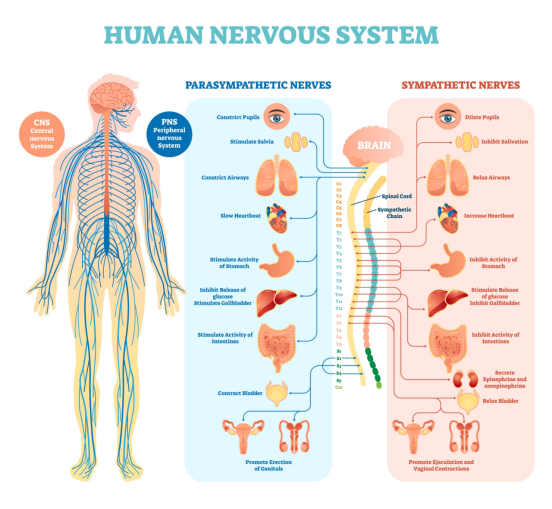
This shift is more than just superficial. When you use nasal strips to ensure your nasal passages are clear, you are sending a signal to your brain: “The threat is gone; repairs can begin.” Activation of the parasympathetic nervous system lowers cortisol levels and reduces systemic inflammation, a prerequisite for efficient recovery.
Post-exercise breathing assistance: an accelerator for clearing metabolic waste.
After prolonged or high-intensity training, muscles accumulate large amounts of metabolic byproducts, such as lactic acid and hydrogen ions (H+), the latter being the main culprits behind muscle soreness and fatigue. To clear these acidic substances, the body needs to rapidly expel carbon dioxide.
This is the core function of the lungs. Efficient gas exchange is key to rapidly neutralizing metabolic acidosis.
By wearing nasal strips, the cross-sectional area of the nasal passage is physically enlarged, which brings two direct physiological benefits:
- Reduced Work of Breathing: Due to reduced resistance, your respiratory muscles consume less energy with each breath, and this energy can be better directed to the repair of damaged muscles.
- Improving oxygen utilization efficiency: Nasal breathing carries nitric oxide produced in the sinuses into the lungs. As a vasodilator, nitric oxide improves alveolar gas exchange efficiency (V/Q matching), allowing the body to take in oxygen more quickly and deliver it to tense muscles, accelerating the oxidation process and helping to clear lactic acid.
Therefore, nasal strips are not just a type of exercise recovery nasal strip; they are also a non-drug post-exercise breathing aid that can accelerate the clearance of acidic substances in the blood and effectively shorten the time it takes for you to recover from fatigue to baseline.
The gold standard for recovery: the importance of deep sleep
If you want to take recovery seriously, you must take sleep seriously. This is because key physical recovery mechanisms, such as muscle repair, growth hormone (HGH) secretion, and memory consolidation, almost entirely occur during deep sleep and rapid eye movement (REM) sleep.
However, the body is often in a state of heightened alertness after exercise. If this is accompanied by nasal congestion or excessive nasal resistance, the body is more likely to switch to an inefficient mouth-breathing pattern at night. Mouth breathing disrupts airflow stability, potentially leading to mild sleep apnea and triggering micro-awakenings. Even if you sleep for 8 hours, these frequent but imperceptible micro-awakenings can prevent you from entering a true deep restorative phase.
This is where the ultimate value of nasal strips lies: they can act as a gatekeeper for your deep sleep.
Nasal strips before bed provide stable nasal support throughout the night, maintaining optimal nasal breathing. This not only reduces snoring (alleviating your partner’s discomfort and indirectly improving your quality of life), but more importantly, it optimizes airflow, reducing nighttime breathing difficulties and maximizing the time you spend entering and maintaining deep, restorative sleep. This is something no professional sports rehabilitation device can replace, as it addresses fundamental, structural breathing issues.

Athletes’ real experiences and usage techniques
For elite athletes and high-level fitness enthusiasts, nasal strips have evolved from a “sleep aid” into part of “recovery gear.”
- Endurance athletes: After long-distance running or cycling, they use these strips before bed to combat the deep inflammation and fatigue in their bodies after long-distance exercise, ensuring they wake up the next day with lower heart rate variability (HRV, an important recovery indicator).
- Weightlifters/bodybuilders: They typically use nasal strips on training nights to ensure that HGH is fully secreted during deep sleep, thereby maximizing muscle protein synthesis.
To ensure your nasal strips work optimally during recovery, you need to make sure they adhere firmly to your skin, especially if you’re using a recovery cream or oil before bed. Remember, any oil on your skin is the enemy of any adhesive. Before you go to sleep, be sure to thoroughly clean and dry the bridge of your nose area with an alcohol wipe; this is the golden rule for ensuring these strips stay put all night.
Incorporate Nasal Strips into your recovery protocol
Recovery is not a passive process but an active form of training. Excellent athletes understand that the better you recover, the harder you train.
If your list of exercise rehabilitation equipment includes massage guns, compression boots, and even pulsed electromagnetic field (PEMF) mats, then it’s time to add nasal strips to the mix. It represents a focus on fundamental physiology: optimizing input (oxygen), accelerating output (carbon dioxide and acidic waste), and activating the nervous system’s repair switches.
Through this simple physical intervention, you’re not just improving your breathing; you’re investing in your body’s most critical recovery mechanisms. It’s a low-cost, high-return approach that lays a solid foundation for your next training cycle.
We understand that to build a comprehensive recovery strategy, you need systematic guidance and to learn more about nasal strips. Useful knowledge.
Next time you collapse on the couch, ready to kickstart your recovery mode, don’t forget to give your nose a break. Only when you’re breathing smoothly can your body truly begin to work and prepare for the next breakthrough.