
nasal strip full of anticipation, hoping to sleep soundly until dawn, only to wake up in the middle of the night to find it crumpled and stuck to your pillow, or worse, it’s stuck crooked, only opening one of your nostrils?
Nasal strips are an excellent low-tech solution for addressing nasal airflow restriction. They work on a purely physical basis: a built-in elastic strip gently lifts the nasal cavity walls, widening the airway. However, maximizing this physical effect depends entirely on how you wear the strip. Even a slight misalignment can significantly reduce its effectiveness.
We’re not just going to tell you how to apply these strips; we’ll also delve into insider tips to boost your nose strip’s effectiveness by 100% and how to choose the right type of nose strip for you to maximize comfort and results.
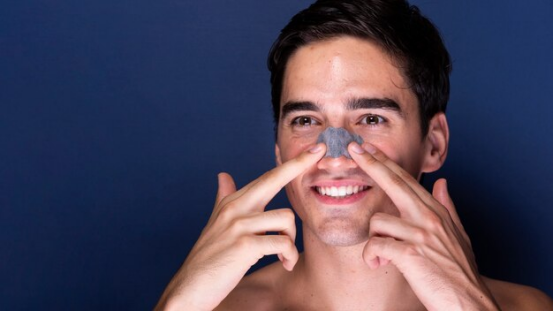
Tip 1: Clean, clean, and clean again—the ultimate battle against adhesives
Nasal strips are built on one foundation: they must adhere firmly to your nose and not come loose all night. But our nose is an area full of oil and sweat glands, which is the biggest challenge for the adhesive.
If you don’t prepare properly, these stripes will fail before you even enter REM sleep.
Preparation steps: The golden rule of nose strip application techniques
- Thoroughly remove oil: Simply washing your face isn’t enough. Use a gentle cleanser to cleanse the nose area, then use an alcohol swab or a toner containing salicylic acid to quickly wipe the area where you’re going to apply the nose strip. You must thoroughly remove the skin’s natural oils.
- Absolutely dry: Make sure your nose is completely dry before applying the nasal strips. Any residual moisture will severely reduce the effectiveness of the adhesive.
- Temperature Assistance: Press the strips adhered to the bridge of your nose with a clean cloth or your fingers for at least 10-15 seconds. Body temperature helps activate the adhesive layer, allowing it to better adhere to the tiny folds of skin.
By following these three steps, you can not only ensure that the nasal strips stay on all night but also ensure that their tension continues to act on the side wall of the nasal cavity, thus enhancing the effectiveness of the nasal strips.
Tip 2: Precision Guidance—How to Apply a Nose Strip to the “Sweet Spot”
Position, position, and position. For nasal strips, precise placement is the only factor that determines their effectiveness. If placed too high, it will only pull on the hard part of your nasal bone; if placed too low, it will compress your nostrils and even obstruct breathing.
The correct point for wearing the mask is called the “sweet spot,” which is located in a key anatomical area of your nose: the nasal valve.
Find your best location
- Palpation location: Use your fingers to feel the end of the nasal bone and the place where the nasal cartilage begins to soften. This junction, located about 1 cm above the nasal ala, is usually the nasal flap area.
- Gentle pull test: From this position you found, gently stretch your nostrils to the sides with two fingers. When you feel your breathing become instantly easier, you have found the ideal position.
- Align with the center: Align the center of the nasal strip with this “sweet spot.” After applying, the ends of the strip should just cover the softest, most prone to collapsing part of your nostrils. When it straightens, you should feel a gentle but noticeable upward pull, not pressure.
of wearing nose strips correctly, you should be able to immediately feel a huge change in airflow, as if someone has opened a “ventilation vent” in your nose.
Tip 3: Tailor it to your individual needs—choose the right type of Nasal Strips for you
Nasal strips on the market are not all the same. Different types and sizes are key to achieving better results because they are optimized for different nose shapes and needs.
Size and strength
- Regular Size: Fits most adults.
- Large Size: If you feel that regular-sized strips don’t fully cover your nostrils, or if your nose is long/wide, the large size can provide stronger support and a wider coverage area.
- Extra Strength: These nasal strips have built-in stiffer or more elastic strips. If you have severe septal deviation, chronic nasal congestion, or are a high-intensity athlete who requires significant airflow expansion, the extra strength type can provide more noticeable physical support.
Sensitive skin and materials
redness or discomfort after using nasal strips, you should consider:
- Sensitive skin version: Some manufacturers offer strips specifically designed for sensitive skin, using hypoallergenic adhesives, usually transparent or light-colored.
- Removal Tips: Do not “tear” off the nose strip. When removing nasal strips, first wet them with warm water, or peel them off slowly while showering. This will dissolve the adhesive and minimize pulling and irritation to the skin.
Proper selection and use ensure that nose strip application techniques are not only effective but also comfortable.
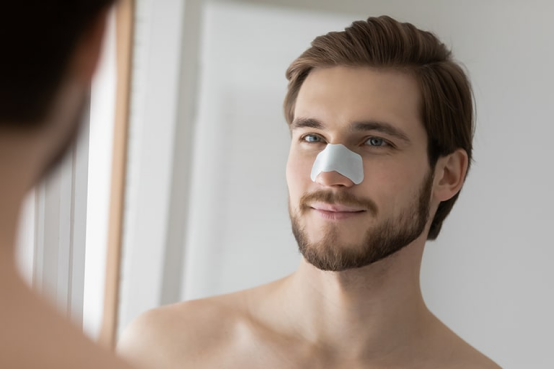
Avoid common misconceptions about nasal strips.
Even experienced users can make small mistakes that hinder the effectiveness of nose strips:
- Myth 1: Only use when snoring: The value of nasal strips lies in optimizing breathing. Using them during allergy season, before intense study, or even just for meditation and relaxation can help you maintain optimal nasal breathing.
- Myth 2: Overuse of decongestants: If you abuse decongestant sprays while using nasal strips, you may face the risk of a “rebound effect.” Nasal strips are a physical aid and should be used first, saving medication for when it is most needed.
- Myth 3: Wearing for too long: Nasal strips are designed for single use. Wearing them for extended periods (more than 12 hours) may cause unnecessary stress and irritation to the skin.
Nasal strips are a simple tool, but their use requires precision and care. Incorporating these nasal strip application techniques into your daily routine will ensure you maximize their potential to expand your airways and improve airflow every time.
By wearing them correctly, choosing the right size, and consistently pre-treating your skin, you can elevate these simple strips from “maybe effective” to “effective every time.”
Mastering the art of applying nasal strips is key to improving breathing quality and enhancing nighttime recovery. Now, take a deep breath and feel the difference.