
We live in an era that strives for optimization. We count steps, track sleep cycles, and quantify nutrient intake, attempting to gain absolute control over health management tools through various smart wearable devices. However, in our pursuit of high-tech solutions, we often overlook those low-tech, highly efficient everyday tools.
You might only have seen them in the sleep section of a pharmacy or caught a glimpse of them on the bridge of a football player’s nose. Yes, we’re talking about nasal strips.
For a long time, nasal strips have seemed to be labeled “only for snoring,” but this view is too narrow. They do much more than that. They are a powerful, non-pharmacological physical tool that can enhance your overall health throughout the day by optimizing the body’s most basic function—breathing. From relieving daily anxiety to improving focus and helping you better cope with environmental stressors, nasal strips are quietly redefining the nasal strip lifestyle.
If you’re looking for a simple, sustainable way to improve your daily health and performance, it’s time to re-evaluate where these elastic strips fit in your wellness kit.
The magic of nasal breathing: from survival to focus
We breathe approximately 25,000 times a day, but the vast majority of us do so inefficiently and incompletely. Under stress, in polluted environments, or even with mild nasal congestion, we easily fall into mouth breathing. While the mouth is an emergency exit, the nose is the body’s primary respiratory system.
The importance of nasal breathing goes beyond just filtering, heating, and humidifying the air. It directly affects the balance of your nervous system. Slow, deep nasal breathing effectively activates the parasympathetic nervous system—what we often call the “rest and digest” mode. This can lower your heart rate, reduce anxiety, and help you maintain clearer thinking when handling daily tasks.
However, for people with structural nasal congestion or collapsed nasal flaps, even taking a deep breath through their nose can be difficult. This is where nasal strips come in handy.
By physically lifting the sides of the nose, nasal strips eliminate structural resistance within the nasal cavity. This makes deep nasal breathing effortless. For those who need to maintain focus for extended periods, such as when writing, studying, or performing high-precision work, applying a nasal strip can help maintain this calm, focused breathing pattern more naturally. It’s a simple yet effective health management tool that helps you shift from a passive, mouth-breathing lifestyle to an active, optimized state of nasal breathing. This is the core value of daily use of nasal strips.
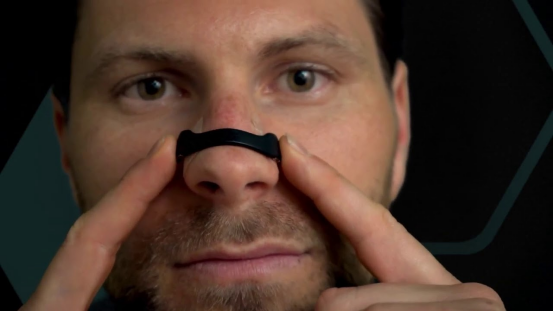
Nasal Strips: The First Line of Defense Against Environmental Stress
Our nose is the first line of defense against the external environment. During peak allergy seasons, when air quality is poor, or when indoor air is dry, the nasal mucosa can become swollen or dry, leading to difficulty breathing.
Traditional solutions involve using medications or air purifiers, but nasal strips offer an additional, non-chemical advantage.
During allergy season, even with antihistamines, inflammation and swelling inside the nasal cavity persist. Nasal strips, these flexible strips, offer a mechanical solution, ensuring that airflow doesn’t completely close even when the mucous membranes are swollen. This provides a drug-free solution for those suffering from allergic nasal congestion.
Furthermore, during dry winters or air travel, nasal strips help warm and humidify the air by encouraging nasal breathing. This not only prevents dry and sore throats but also reduces respiratory irritation, thus improving comfort throughout the day. This physical protection against daily environmental stressors is one of the key reasons why nasal strips have become a popular daily health management tool.
Beyond Sleep: A Comprehensive Strategy for Optimizing Nighttime Recovery
While we aspire to position nasal strips as an all-day tool, we cannot overlook their crucial role at night. After all, quality sleep is the cornerstone of daily health.
For those who experience high-intensity work and significant mental stress during the day, the smoothness of their nasal breathing at night directly determines the quality of their recovery. When your nasal passages are clear, your body can more easily enter deep sleep and REM sleep stages. This is a crucial time for the brain to perform “system cleansing” and for the body to repair cells.
The nasal strip lifestyle indicates that they not only wake up feeling refreshed but also require less caffeine during the day. This isn’t because the nasal strip itself contains any magic ingredients, but because it eliminates the bottlenecks in the respiratory system at night, allowing the body to more effectively utilize sleep time for repair.
Using nasal strips at night ensures a stable supply of oxygen, helping to maintain a lower heart rate and more stable heart rate variability (HRV). This is crucial for managing chronic stress and boosting immunity. To truly understand the value of nasal strips, think of them as a nighttime “performance recovery” device, rather than just a “snoring solution.”

Integrate Nasal Strips: Start Your New Health Management Cycle
Integrating nasal strips into your health management tools doesn’t require complicated steps. It’s a subtle yet effective change.
- Boost your focus in the morning: Before important work meetings or studies, apply nasal strips to help you do 5 minutes of deep nasal breathing exercises to calm your nervous system.
- Endurance during daily activities: Wear it while doing housework, gardening, or any activity that requires sustained physical exertion to ensure maximum breathing efficiency.
- Nighttime Repair: Cleanse your nose before bed and apply nasal strips to ensure your body enters its most efficient repair mode.
This is an investment in basic physiological function. You don’t need new apps or complex sensors; a simple strip can physically improve your innate ability to breathe.
What we’re exploring is the potential of “nose strips for everyday use“ “” that goes beyond basic functionality. It’s a proactive lifestyle choice that reflects your commitment to optimizing your self-performance and improving your quality of life.
Small changes in life can often make a big difference. It’s time to bring nasal strips out of the corner of your drawer and make them a powerful health management tool you can rely on every day.