
When spring brings life back to the earth, or autumn brings a chill to the air, for many it’s not a season of poetry but a war about breathing. Pollen, mold, and dust infiltrate your home, your car, and your life like invisible enemies, while your nose—the organ that should be filtering the air—goes on strike, swelling, inflaming, and shutting down completely. While traditional methods offer chemical relief, many individuals find that the structural blockage requires simple physical intervention, making nasal strips a primary, drug-free tool in their seasonal defense strategy.
You’ve tried various antihistamines, nasal sprays, and even strictly limited outdoor activities, but the persistent nasal congestion from allergies, the struggle of trying to breathe through a wad of cotton, still bothers you. During peak allergy season, inflammation and swelling of the nasal mucosa are the body’s overreaction to invaders. This inflammation causes the nasal passages to narrow, further constricting the already narrow passage, creating a vicious cycle.
When searching for solutions to nasal congestion, we often focus on the chemical effects of medications, neglecting the simple physical mechanisms. Today, we’ll focus on an often-underrated tool—nasal strips. We’ll delve into how these small, flexible patches, with the aid of medication, use purely mechanical force to open a lifeline for your respiratory system, effectively relieving seasonal allergies.

The Dilemma of Seasonal Rhinitis: Limitations of Medication
Traditional interventions for seasonal allergies often revolve around two points: antihistamines (to block allergic reactions) and nasal decongestants (to constrict blood vessels and reduce swelling). These methods are undoubtedly effective, but each has its limitations.
Antihistamines can sometimes cause drowsiness as a side effect, leaving you feeling lethargic during the day. While decongestant sprays offer immediate relief, doctors generally advise against using them for more than three consecutive days. Why? Because long-term reliance on them can lead to “rebound nasal congestion,” where once you stop using them, the congestion can become even worse than before, creating a cycle of dependence that’s difficult to break.
We need a non-drug, non-addictive supportive tool for long-term, chronic allergic nasal congestion. Nasal strips fill this gap perfectly.
A Triumph of Physics: How Nasal Strips Open Channels
Nasal strips work without the involvement of drugs; they utilize basic engineering mechanics.
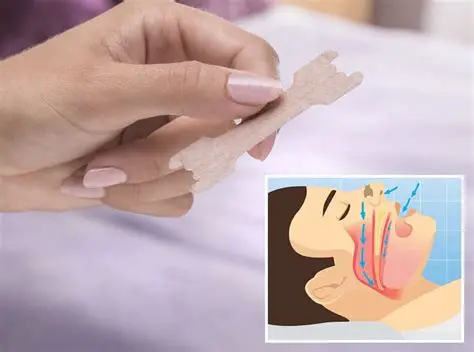
Allergy-induced nasal congestion is primarily caused by swelling of the nasal mucosa and structural collapse of the alar cartilage (especially when breathing becomes labored). The elastic strip in the nasal strip is made of a highly resilient polymer. When you apply it to the bridge and sides of your nose, it creates a gentle, continuous outward pull.
This pulling force acts precisely on the narrowest area of the nasal cavity—the nasal valve. By physically lifting and supporting the cartilage on both sides of the nostrils, nasal strips can instantly expand the cross-sectional area of the nasal passages. Even if the nasal mucosa inside the cavity is swollen due to allergies, the external support provided by nasal strips ensures that the airflow passage remains as unobstructed as possible.
Imagine a riverbed narrowed by siltation. Medication attempts to “dissolve” the silt (mucous membranes), while nasal strips act like sturdy supporting walls on either side of the river, preventing it from collapsing. These two mechanisms complement each other perfectly. Many users have found that using nasal strips in conjunction with allergy medications maximizes the effectiveness of the medication, resulting in more thorough relief from seasonal allergies.
More than just breathing: Sleep quality during allergy season
The discomfort caused by allergies often peaks at night. When you lie down, gravity exacerbates nasal and sinus congestion, making the stuffiness even more unbearable. This nighttime allergy-induced nasal congestion not only makes it difficult to fall asleep but also forces you to breathe through your mouth all night.
Breathing through your mouth has consequences beyond just a dry mouth upon waking. It disrupts your normal sleep cycle, preventing you from entering deep rest, thus affecting your immune system and daytime function. During allergy season, when the body is already in a defensive posture, quality sleep is crucial for recovery and fighting inflammation.
This is when nasal strips truly demonstrate their value.
Applying nasal strips before bed helps keep nasal passages open throughout the night. This ensures air enters the lungs through the nose, not the mouth. Nasal breathing better filters allergens from the air, humidifies the air, and, as mentioned earlier, promotes nitric oxide production, which helps dilate blood vessels and improve oxygen absorption. For allergy sufferers who snore due to nasal congestion, nasal strips are also an effective solution. They stabilize airflow, reduce soft palate vibration, and allow partners to enjoy a peaceful night as well.
Boost Adhesion: A Survival Guide Through Snot and Sweat
For people with allergies, the challenge with nasal strips is their adhesiveness. Allergic reactions are often accompanied by increased nasal secretions, which, like sweat, are the enemy of adhesives.
Ensuring nasal strips stay secure and don’t fall off during allergy season lies in the details:
- Thorough cleansing and drying: Before use, be sure to thoroughly clean your nose with mild soap and water, then wipe the bridge and sides of your nose with an alcohol swab or astringent toner to remove oil and excess moisture from your skin.
- Correct application point: After applying the nasal strips, press the ends and center with your fingers for at least 10 seconds. Body heat helps activate the adhesive, allowing it to adhere better to the skin.
- Timing is key: Don’t apply the patch when your runny nose is at its worst. Gently wipe your nose with a tissue first, and if possible, clean it slightly with a nasal irrigator (such as a nasal irrigator) before applying the patch for best results.
With the right application method, nasal strips can become a strong ally in getting through pollen season.
Final Reflections: Why it’s an Ideal Choice During Allergy Season
Among the many solutions for nasal congestion, nasal strips have unique advantages: they are non-invasive, drug-free, and have no side effects. This physical support is ideal for those experiencing rhinitis during pregnancy or for those who need to remain highly alert for work and cannot tolerate the side effects of antihistamines. It is compatible with all your existing allergy management protocols.
Allergies are an ongoing challenge that requires multifaceted management. Nasal strips won’t cure your allergies, but they can significantly reduce structural nasal problems caused by allergies, allowing you to breathe more easily while managing your allergies. It’s a simple, low-tech solution that delivers a high-tech comfort experience.
If you’ve tried everything and are still struggling to find relief from your seasonal allergies, it might be time to give your nose a physical “deep breath.” Learn more about nasal strips. Strategy.
Breathing should be easy. Don’t let a season full of fragrant flowers turn into an endless nightmare of nasal congestion. Give your respiratory system the support it deserves and enjoy the beauty of the season.