
Table of Contents
Waking, everyone’s nose is unique: from a high, straight bridge to soft, delicate nostrils, structural differences not only affect appearance but also determine the smoothness of nighttime breathing and the effectiveness of nasal strips. For some, applying nasal strips results in easier breathing and a more refreshed feeling upon waking, while others may experience almost no noticeable improvement. This difference in experience is not accidental but closely related to the height of the nasal bridge, the tension of the nostrils, and the anatomical features of the nasal cavity.
This article will delve into how different nose shapes affect the effectiveness of nasal strips and provide scientific adjustment suggestions to help users maximize the breathing optimization effect and reduce the feeling of “ineffectiveness” during use.
The Relationship Between Nasal Bridge Height and the Effect of Nasal Strips
The height of the bridge of the nose directly affects the fit and support of nasal strips. Individuals with a high nose bridge can usually obtain the external support provided by the strips more easily because the bridge of the nose itself forms a natural “bridge,” keeping the strips stable at night. This not only enhances the lateral tension of the nasal cavity but also optimizes airflow distribution, thereby improving breathing efficiency and sleep quality at night.
In contrast, individuals with low nose bridges may experience issues with unstable fit. Due to insufficient support for the nose bridge, strips tend to shift at night, leading to reduced support and limited airflow improvement. In such cases, users need to fine-tune the placement to ensure that both the nostrils and the bridge of the nose are adequately stretched simultaneously, thereby achieving effective airflow optimization.
Furthermore, the height of the nasal bridge also affects the distribution of airflow within the nasal cavity. A high nasal bridge typically allows the central passage to be more open, facilitating smooth airflow; a low nasal bridge, on the other hand, can cause localized narrowing, uneven airflow, and an increased likelihood of micro-awakening. Therefore, understanding one’s own nasal bridge structure is crucial for maximizing the effectiveness of nasal strips.
Nose wing tension and fit comfort
Besides nasal bridge height, nasal alar tension is another key factor determining the effectiveness of nasal strips. Individuals with soft nasal alar or low muscle tension are prone to nasal alar collapse at night, affecting airflow. Nasal anatomy strips are designed to slightly stretch the nasal alar, increasing the nasal opening area and thus reducing resistance at night.
However, too little tension in the nasal ala may prevent the strips from adequately supporting the nasal cavity, resulting in a feeling of “ineffectiveness,” while too much tension and overstretching may cause localized pressure or discomfort. Therefore, finding the right application pressure is crucial. Users can adjust the nasal strip fit by observing changes in breathing comfort and fatigue upon waking, thus finding the most suitable application method for their own nasal ala tension.
Meanwhile, nasal tension is closely related to nighttime mouth breathing habits. Those who breathe through their mouths for extended periods may have more relaxed nasal muscles, resulting in a weaker ability to breathe through their noses at night. In such cases, even with strips, breathing exercises may be necessary to gradually restore the support capacity of the nasal muscles in order to fully realize the auxiliary effects of nasal strips.
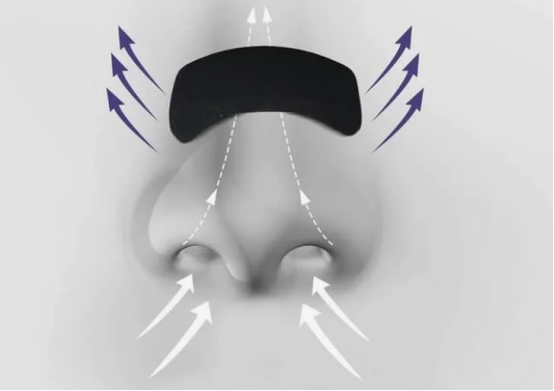
Influence of individual differences in nasal cavity anatomy
The internal structure of the nasal cavity varies considerably from person to person, including factors such as deviated nasal septum, thickened turbinates, and nasal cavity width. These anatomical features directly determine airflow resistance and the incidence of micro-arousals, thus affecting nighttime breathing quality and morning mental state.
For individuals with narrow nasal cavities or deviated septums, even if strips provide external support, internal airflow may still be restricted. This means that external stretching alone may not significantly improve breathing smoothness; it is necessary to combine this with appropriate breathing exercises or adjust the application method to ensure optimal fit between the strips and the nostrils and bridge of the nose, thereby optimizing the airflow path.
Different nose shapes also determine the optimal position and angle of nasal strips. For example, a high nose bridge with narrow nostrils may require the strips to be placed slightly higher to fully support the central passage; a low nose bridge with wide nostrils may require the strips to be placed lower and cover the entire nostril to apply even tension. This personalized adjustment is the core strategy to reduce the feeling of “ineffectiveness.”
Adjustment strategy and practical application logic
To maximize the effectiveness of nasal strips, users should view them as a phased tool to assist breathing, rather than a panacea. First, observe morning fatigue, breathing ease, and nighttime micro-awakeness, recording the effects of different application methods. This experimental adjustment is a prerequisite for scientific optimization. Second, combining them with light breathing exercises, such as nasal breathing exercises during the day, helps strengthen the tension of the nasal muscles, making the strips’ support more stable.
When applying the nasal strip, pay attention to the following details: keep your skin clean and avoid applying it to damp or oily areas; adjust the position slightly according to the height of your nose bridge; ensure even pressure on both sides of your nose. By following these methods, users can significantly improve the comfort and effectiveness of the nasal strip fit while reducing the occurrence of overnight shifting or localized discomfort.
Studies and user feedback show that, even without a change in overall sleep duration, correctly applied nasal strips improve nighttime breathing and significantly reduce morning fatigue. This indicates that optimizing airflow is more effective at improving wakefulness than simply extending sleep duration. For more detailed information on nose shape adjustment strategies, please refer to the [Nose Shape and Nasal Strip Application Guide] to find the most suitable solution for your individual structure.
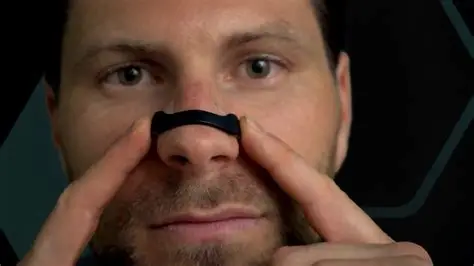
Nasal shape optimization and overall respiratory health
Improving nasal structure and airflow not only affects nighttime sleep quality but also has a positive impact on long-term respiratory health. Smooth nasal breathing can enhance oxygenation efficiency during deep sleep, reduce the frequency of micro-arousals, and support the body in completing effective recovery at night. The optimized use of nasal strips for nose shaping plays a supporting role in this context.
Furthermore, long-term attention to nose shape and adhesive application strategies can help users better understand the weaknesses in their breathing habits, allowing them to take systematic adjustment measures. For example, those with low nasal bridges and wide nostrils can gradually reduce their reliance on mouth breathing at night through nasal wing training combined with appropriate adhesive application, thereby achieving a more stable and efficient nighttime breathing environment.
Conclusions and Action Recommendations
Different nose shapes significantly affect the effectiveness of nasal strips, with the core differences lying in the height of the bridge of the nose, the tension of the nostrils, and the anatomical structure of the nasal cavity. Those with a high bridge of the nose and moderate tension usually see more noticeable improvement, while those with a low bridge of the nose or weak tension need to optimize the airflow by fine-tuning the placement, angle, and pressure of the strips.
Understanding these differences and combining them with gentle nasal breathing training and nighttime breathing observation are key strategies for reducing feelings of ineffectiveness. By scientifically adjusting the application method, users can achieve smoother nasal breathing at night, improve morning alertness, and support long-term respiratory health.