
Travel—the word conjures images of exploration, relaxation, and entirely new experiences. But for millions of people suffering from seasonal allergies or chronic rhinitis, the reality of travel is often quite different: the dry air on airplanes, the unfamiliar dust in hotel rooms, the sudden pollen alerts, and the ensuing, suffocating nasal congestion. When you’re far from your familiar bedroom and air purifier, ensuring proper airflow is essential, making portable, non-medicated aids like nasal strips a crucial addition to any traveler’s packing list.
When you’re far from home, away from your familiar bedroom and air purifier, relieving allergy-related nasal congestion becomes crucial to enjoying your trip. You might already be carrying antihistamines and nasal sprays, but did you know that your most convenient and effective non-pharmacological breathing aid might just be a small packet of nasal strips?
We’re moving beyond simply viewing nasal strips as a “nighttime gadget” for snoring. In the unpredictable and stressful environment of travel, they’re a versatile lifesaver. We’ll explore how to incorporate these simple strips into your travel bucket list and how they play a central role in combating unfamiliar allergens and dry air, helping you achieve true seasonal allergy management rather than just symptom masking.
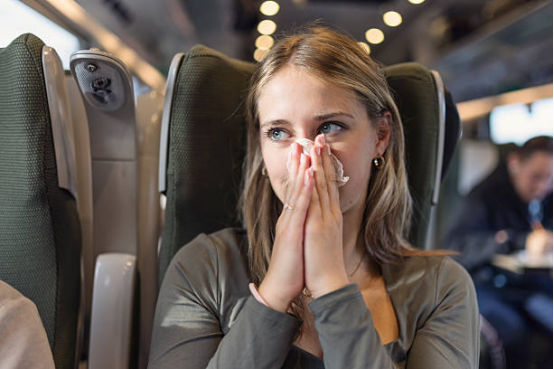
Challenge 1: Flight and Jet Lag – Breathing Difficulties in the Cabin
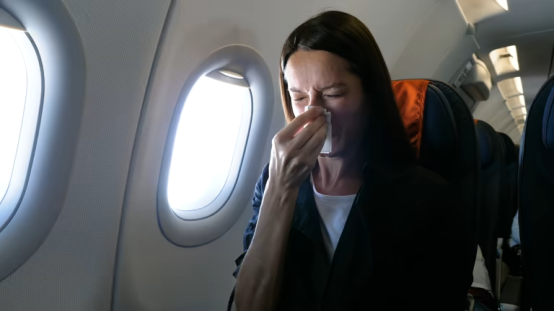
Long-haul flights pose an extreme challenge to the respiratory system. The air inside an airplane cabin is typically extremely dry, with humidity levels potentially below 20%. This dryness quickly irritates the nasal mucosa, weakening its defenses and exacerbating swelling and congestion. Furthermore, changes in air pressure can worsen already congested sinuses.
Nasal Strips: Physical Humidifiers in the High Altitude
When you use nasal strips to widen your nasal passages, you are providing maximum space for your body’s natural humidification system to function. One of the nose’s primary functions is to warm and humidify the air we inhale.
- Maximize the use of natural humidification: With the nasal passages dilated, air has more time to come into contact with the nasal mucosa. This means that the air entering the lungs is more humid and warmer, effectively combating the desert effect in the cabin and reducing dryness in the throat and nasal cavity.
- Relieving Baroque Discomfort: For those who experience discomfort in their eardrums and sinuses during takeoff and landing, nasal strips can help keep the airway open, aid in nasal pressure equalization, and make ear pressure regulation easier and smoother.
On long red-eye flights, wearing nasal strips is not only about sleeping better but also about protecting your respiratory system from environmental stressors.
Challenge Two: Allergens in New Environments—Unfamiliar Threats
Whether you’re staying in a classic hotel or exploring the suburbs of a new city, you’ll encounter new allergens: different kinds of pollen, dust mites in hotel carpets, or unique local mold spores. Your immune system will immediately sound the alarm, causing you to desperately need relief from your allergy-related nasal congestion.
Nasal strips: The perfect combination of medication and non-medication interventions
Multimodal intervention is key when dealing with unfamiliar allergic nasal congestion symptoms.
- Drugs (chemical intervention): Antihistamines can block allergic reactions.
- Nasal Strips (Physical Intervention): They contain no medication and can therefore be safely used with any allergy medication you carry with you.
When allergies cause severe swelling of the mucous membranes and the medication has not yet fully taken effect, nasal strips immediately provide physical support, allowing you to breathe deeply through your nose instead of being forced to switch to inefficient mouth breathing. This is crucial for maintaining energy during the day and recovery at night.
We know that time is precious when traveling. You can think of nasal strips as an “emergency access” in your seasonal allergy treatment strategy, providing immediate relief the moment you feel a stuffy nose—whether it’s waking up in the morning or coming back from a museum.
Tip: Maximize the effectiveness of Nasal Strips while traveling
The unpredictable nature of travel environments requires you to be extra careful when using nasal strips to ensure they don’t fall off or malfunction during your journey.
1. A simple “travel-friendly oil-removing method”
In hotels or guesthouses, you might not have alcohol wipes. A simple tip for using nose strips is to apply a small amount of non-moisturizing hand sanitizer to the bridge of your nose, then quickly wipe it clean with a dry tissue. The alcohol in the hand sanitizer quickly removes grease, providing a dry, oil-free adhesive surface for the strips.
2. Use it at “critical moments.”
Consider the moments when you most need to breathe easily:
- Rest stop/station: a place to take a short break in a noisy, poorly ventilated environment.
- 30 minutes before bedtime: Allow your body to adapt to this smooth nasal breathing before falling asleep, making it easier to enter deep sleep.
- Before hiking or sightseeing: If you plan to do outdoor activities with high pollen counts, applying nasal strips beforehand can maximize your breathing efficiency.
3. “Invisibility” Techniques
nasal strips in public, consider these strategies: Choose transparent or skin-toned strips. On long flights or overnight trains, you can wear an eye mask to block out light and conceal the nasal strips. The focus should be on comfort and effectiveness, not appearance.
Travel pitfalls to avoid: Dependence and rebound
When traveling, many people become overly reliant on fast-acting nasal decongestant sprays (for example, to relieve ear pressure on airplanes).
Nasal strips lie in the fact that they are a perfect alternative to decongestants.
If you’ve been using a nasal spray for two consecutive days and are worried about rebound rhinitis, then switch to nasal strips for the rest of your trip. They provide a similar physical airway dilation effect, but without any of the side effects of medication. This makes nasal strips a more sustainable and reassuring tool for relieving allergic nasal congestion. It allows you to enjoy your trip without worrying about developing a medication dependency after returning home.
We often invest in expensive travel gear—noise-canceling headphones and portable power banks. But remember, breathing freely is the cornerstone of a good travel experience. A simple nasal strip can open up a passageway in crucial moments, transforming what could have been a journey filled with nasal congestion and fatigue into an energetic and exploratory one.
Next time you pack, make room for your nasal strips. They’re your secret weapon to ensure you can breathe freely and enjoy every trip.