
Every year when flowers bloom, for some, it’s less about “springtime warmth and blossoming flowers” and more about “nasal disaster.” Pollen, grass seeds, and mold spores in the air are like tiny time bombs; once they enter the nasal cavity, they trigger an inflammatory storm. You’re probably familiar with that feeling: an unbearably itchy nose and incessant sneezing, eventually leading to swelling and congestion of the nasal cavity tissues, completely blocking the airway. Even if you rely on antihistamines, that structural blockage often requires a physical solution, which is where simple devices like nasal strips offer immediate, drug-free relief by gently opening the nasal passages.
You’ve already taken antihistamines, rinsed your nasal passages daily, and even started carefully checking the air quality index. But when night falls, or allergen concentrations peak, the desperate need for relief from that suffocating allergy-induced nasal congestion often leaves you feeling helpless. You have no choice but to breathe through your mouth, resulting in a dry throat and disrupted sleep.
With the help of various chemical drugs and air purifiers, we often overlook the most direct solution: physical expansion. Today, we will delve into how nasal strips, through their unique mechanical principles, provide a non-drug, non-addictive seasonal allergy treatment tool for allergic rhinitis sufferers, helping you regain control of your breathing during the most challenging season.
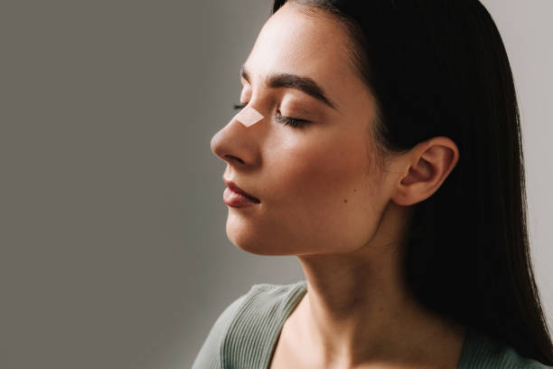
The physiological dilemma of allergies: Why does the nose “close”?
To understand the effects of nasal strips, you must first understand how allergic rhinitis makes it difficult to breathe. This is not a simple “blockage” problem but rather a result of an overreaction of the body’s immune system.
When allergens (such as pollen) enter the nasal cavity, the immune system releases histamine, causing blood vessels in the nasal cavity walls to dilate and permeability to increase. This results in a large influx of fluid into the mucous membrane tissue, causing swelling. This swelling is the primary reason for the need for relief from allergic nasal congestion.
But there is another crucial structural factor: the nasal valve. This is the narrowest part of the nasal airway. When the mucous membrane swells, the space in this area is further compressed. Worse still, when you try to inhale forcefully, the negative pressure created by the airflow causes the alar cartilage to collapse inward (similar to a straw being sucked out), leading to a further physiological closure of the airway.
Medication can address inflammation, but nasal strips address the physical space issue.
The mechanical advantages of nasal strips: they expand the airway and resist collapse.
The nasal strips are ingeniously designed to address the physical causes of nasal congestion directly. Each nasal strip contains parallel elastic bars that constantly attempt to return to a straight state.
When you place nasal strips on top of the cartilage on either side of your nose, the elasticity creates an outward pulling force. This force can:
- Physically expands the airway: Even when the mucous membranes are swollen due to allergies, nasal strips provide external support, opening the passage inside the nasal cavity by a few millimeters. In fluid dynamics, a small increase in the cross-sectional area of the airway can lead to an exponential improvement in airflow.
- Resisting negative pressure collapse: When you inhale forcefully at night or during physical activity, nasal strips effectively resist the tendency of the nasal alar cartilage to collapse inward due to negative pressure, ensuring airflow stability.
For many allergy sufferers, nasal strips offer a completely different solution from medication. Medication treats the symptoms (inflammation), while nasal strips address the “physical structure” (expansion). This makes nasal strips a safe and effective non-pharmacological supplement to seasonal allergy treatment.
Application scenario: Maximize the allergy symptom relief effect of nose strips.
Nasal strips mean they can be used in a variety of everyday situations where allergies are common:
Scene 1: Guardians of Nighttime Sleep
As mentioned earlier, nasal congestion is often most severe at night because gravity worsens congestion when lying down. This is the golden time to use nasal strips. By ensuring a clear nose, it can:
- Reduce mouth breathing: Prevent dry throat and snoring at night.
- Promotes deep sleep: Steady nasal breathing activates the parasympathetic nervous system, helping the body enter a deeper state of repair, which is crucial for a body fighting inflammation.
Scenario 2: Outdoor Activities and Low-Intensity Exercise
For runners or gardening enthusiasts suffering from allergic rhinitis, maintaining clear breathing is crucial, even in high concentrations of allergens in the air. Nasal strips can provide continuous relief from nasal congestion during outdoor activities. They maximize nasal airflow while allowing nasal hairs and mucus to better perform their filtering function, reducing the risk of allergens directly entering the lower respiratory tract.
Scenario 3: Avoiding drug rebound period
Many allergy sufferers have to use decongestant nasal sprays when they experience severe nasal congestion. However, doctors usually advise discontinuing these sprays after a few days to avoid “rebound rhinitis.” During this crucial rest period, nasal congestion often returns. At this time, using nasal strips can provide a drug-free, rebound-free alternative, helping you smoothly navigate the “spray rest period.”
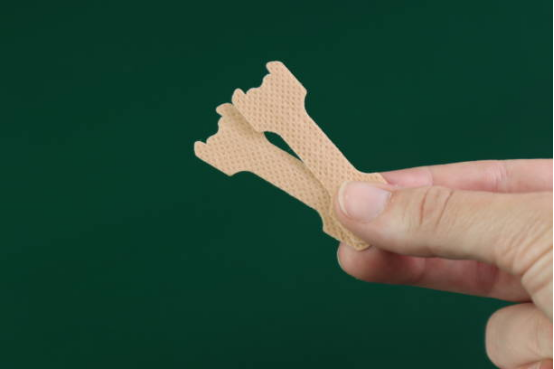
Skin Sensitivity and Adhesive Challenges: Special Considerations for Allergy sufferers
People with allergic rhinitis often have more sensitive skin than others. Therefore, when using nasal strips, you need to pay special attention to two things: the choice of adhesive and removal techniques.
- Choose a formula for sensitive skin: If you are worried about skin irritation, look for strips that claim to use hypoallergenic adhesives, usually in clear or “mild” formulas.
- Skin preparation is key: Before applying the nasal strips, cleanse your nose with gentle soap and water, then ensure your skin is completely dry and free of any lotion or makeup residue. This ensures the strips adhere firmly the first time, avoiding repeated application and removal that could cause further damage to sensitive skin.
- Gentle Removal: Never roughly tear off nasal strips. It’s best to take a hot shower, allowing the heat and water to slowly soften the adhesive and gently peel it off.
Nasal Strips: As a synergistic tool for the treatment of seasonal allergies
It’s important to understand that nasal strips are not meant to replace your doctor or prescription medications. They are synergistic tools.
For the treatment of seasonal allergies, the most effective approach is multimodal intervention:
- Anti-inflammatory (medications): Controlling the immune response through antihistamines or steroid sprays.
- Nasal cleaning (rinsing): Rinse the nasal cavity regularly to physically remove allergens and mucus.
- Nasal Strips: Physically support the airflow channels to ensure they remain unobstructed.
By combining these methods, you can ensure that during allergy season, not only is inflammation controlled, but airflow is also optimized to the maximum extent. This combined approach can significantly improve your quality of life and sleep efficiency, allowing you to enjoy the freedom of breathing even outdoors.
Don’t let allergies dictate how you breathe. Grab your nasal strips and create a clear sky for your nose.