
As night falls and people crave smooth breathing and uninterrupted sleep, the nasal cavity is often overlooked. While nasal strips have become a common aid for improving nighttime breathing, a common question still troubles many users: Is long-term continuous use of nasal strips safe? This question involves not only physiological structure but also skin tolerance and psychological dependence. A correct understanding of the concept of long-term use helps in making sustainable and rational decisions.
Security analysis of nasal strips for long-term use
From a respiratory physiology perspective, nasal strip safety is the primary concern for users. Studies have shown that nasal strips do not alter the internal structure of the nasal cavity; they improve inspiratory efficiency by slightly pulling on the nasal alae and nasal valve area externally to increase their cross-sectional area. Unlike medications or surgery, their effect is physical and non-invasive, making them theoretically suitable for long-term use.
However, safety does not mean unlimited use. For individuals with broken skin, allergies, or chronic rhinitis, prolonged continuous use may cause local irritation. Modern nasal strips often use flexible medical adhesives and hypoallergenic breathable membranes, which reduces the risk of adverse reactions from long-term use. However, it is still recommended that users observe their skin’s tolerance to the adhesive material before continuous use and discontinue use or adjust the frequency if erythema or itching occurs.
Furthermore, the safety of nasal strips for long-term use is also related to how they are used. Applying them too tightly, frequently tearing them, or reusing the same strip can increase the risk of micro-damage to the skin. Therefore, proper usage and replacement habits are key to ensuring long-term safety.
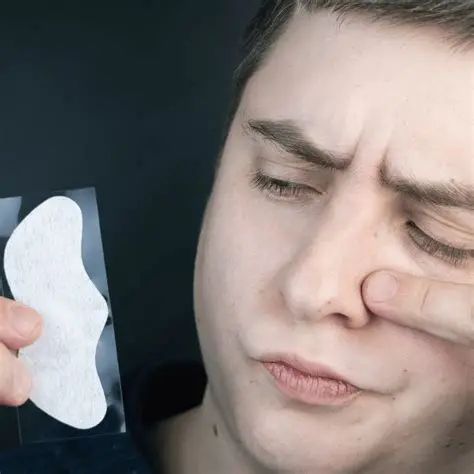
Skin tolerance: Common misconceptions about long-term use
Many users worry that long-term use will lead to skin laxity or dependency marks. In reality, daily nasal strips are designed with the physiological characteristics of the skin in mind. The skin on the bridge and wings of the nose is relatively thick and elastic, and proper use usually will not cause long-term damage.
Real user feedback shows that after using nasal strips for one to two weeks consecutively, in most cases only slight redness occurs on the skin, which usually recovers shortly after the patch is removed. A small number of sensitive users may experience mild itching or dryness, which is not a long-term irreversible effect but rather related to skin moisturizing and the application method.
The key is to break the stereotype that “long-term use will inevitably damage the skin.” The core of nasal strip safety lies in proper use, not limiting the number of days it can be used. When incorporating it into your daily sleep aid, observing your skin’s reaction appropriately and using it intermittently can maximize tolerance and ensure lasting effects.
Psychological dependence and usage cognition
Another major misconception is psychological dependence. Some users worry that continuous use will lead to dependence on nasal strips, making them unable to breathe normally without them. However, from a psychological perspective, this dependence is more of a behavioral habit than a physiological necessity. Nighttime breathing difficulties are usually related to body position, nasal valve structure, and muscle tension, rather than dependence that develops after using nasal strips.
Studies show that even after discontinuing use for several weeks, users can maintain good breathing in most cases, although they may subjectively experience a slight increase in breathing resistance for a short period. This phenomenon indicates that psychological dependence can be managed by temporarily discontinuing use or adjusting the frequency of use without affecting overall safety.
For those who wish to use it long-term, it is recommended to establish a scientific usage strategy: for example, arrange 1-2 days a week without using it and observe the natural breathing state. This not only helps reduce psychological dependence but also provides skin recovery time, thereby ensuring the long-term sustainability of daily nasal strips.

Long-term effects and body adaptation of nasal strips
The main changes brought about by long-term use of nasal strips are improved continuity of breathing at night and enhanced sleep quality. Through continuous, gentle traction, the nasal ala and nasal valve area maintain high stability, reducing inspiratory resistance at night and decreasing the number of micro-awakenings. This improvement is gradual rather than immediate, so many users may not notice the difference in the early stages of use.
Furthermore, the body’s adaptation to nasal strips demonstrates good sustainability. Muscles and soft tissues do not degenerate due to long-term external support because the traction provided by the strips is limited, only assisting structural tension during inhalation and not interfering with normal muscle activity. This design logic also explains why long-term use of nasal strips is safe in the vast majority of healthy adults.
Usage Strategies and Frequently Asked Questions
To ensure comfort and safety during long-term use, users can refer to the following strategies:
- Observe skin reaction: If slight redness or dryness occurs on the skin after 1–2 weeks of continuous use, use intermittently or in conjunction with moisturizing care.
- Avoid reusing single patches: Use a fresh patch each time to reduce the risk of bacterial infection and micro-damage to the skin.
- Psychological moderation: Treat nasal strips as an auxiliary tool rather than a necessity, and reduce psychological dependence by discontinuing their use in stages.
- Adjust the application method: Ensure the patch fits naturally and is not too tight, reducing skin pressure and discomfort.
- Combining with overall breathing habits, such as maintaining appropriate air humidity before bed and avoiding excessive mouth breathing, can enhance the effects of strips.
These methods help users achieve a long-term, stable user experience while ensuring the safety of nasal strips.
Take a rational view of long-term use
Long-term continuous use of nasal strips does not necessarily lead to skin damage or psychological dependence. By properly observing skin reactions, adjusting the frequency of use, and scientifically scheduling discontinuation periods, users can enjoy improved sleep due to smoother nighttime breathing in the long term while ensuring safety.
At the same time, it’s important to break the stereotype that “long-term use equals harm.” Understanding the physical mechanisms of nasal strips—non-invasive, gentle traction, and assistive airflow stabilization—can help users make more rational usage decisions.