
Table of Contents
In the stillness of the night, even the slightest touch or foreign body sensation can keep sensitive sleepers awake all night. For this group, any product applied to the skin can cause discomfort, and nasal aids are no exception. As a tool that physically improves nasal airflow, nasal strips are particularly valued for their comfort and user experience among sleep-sensitive individuals. Understanding the potential advantages and limitations of such tools is crucial for those who wish to improve their breathing experience but are extremely sensitive to touch.
Physiological and perceptual characteristics of people with sleep sensitivity
Light sleepers and those highly sensitive to sensory stimuli often overreact to minute changes in touch, smell, or even temperature. The physiological basis of this sleep sensory sensitivity involves the central nervous system amplifying external stimuli, meaning even minor discomfort at night can disrupt sleep cycles. In this situation, traditional breathing aids, such as nasal sprays and nasal strips, may have adverse effects due to unpleasant drug ingredients or textures. In contrast, nasal strips for sensitive sleepers improve airflow by physically opening the nasal cavity, theoretically reducing the risk of chemical irritation, but the potential impact of a close fit and foreign body sensation on sensitive sleepers still needs to be considered.
The tactile and sensory experience of nasal strips
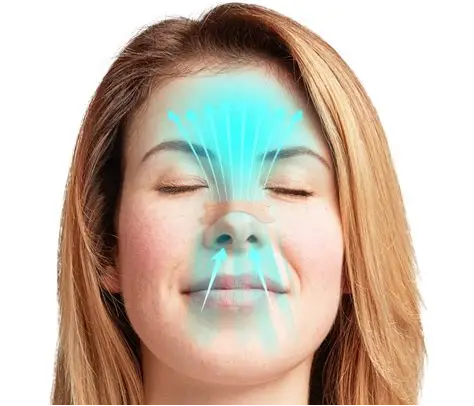
From a tactile perspective, nasal strips, applied directly to the bridge and wings of the nose, can evoke two types of experiences: one is the stability provided by a slight sense of support, and the other is the feeling of a foreign object when pressed against the skin. For most users, this tactile sensation is almost imperceptible, and they may even experience an immediate improvement in breathing. However, for individuals with extremely sensitive breathing patterns, initial use may cause temporary discomfort, such as a slight tingling or pressure sensation. This experience is often gradually ignored after falling asleep, but it may increase anxiety and the number of awakenings in the early stages of sleep.
Meanwhile, the material and application method of the nose strip directly affect the sensory experience. Soft, hypoallergenic materials can significantly reduce tactile irritation, while a nose strip designed with a suitable width and moderate pressure can reduce pressure on sensitive skin while ensuring improved airflow. Users should observe their own comfort level during use; a short initial trial can help determine their tolerance to the nose strip.
Potential advantages for sensitive sleepers
Despite concerns about tactile sensitivity, nasal strips still offer significant advantages in improving breathing ease. For individuals sensitive to medications or chemicals, the drug-free congestion relief property is particularly advantageous, as it increases airflow by physically opening the nostrils without the need for inhaled chemicals or medication. This characteristic makes it particularly valuable for those with sleep irritation, as it reduces chemical irritation and lowers the risk of skin or mucous membrane allergies.
Furthermore, research indicates that mild airway obstruction increases the number of nighttime awakenings and the proportion of light sleep, while physically improving airflow can stabilize sleep structure to some extent. In actual user feedback for nasal strips for sensitive sleepers, most users reported that after an adaptation period, the presence of the nasal strips gradually disappeared, while the feeling of smooth breathing significantly improved. This improvement can help light sleepers prolong the deep sleep stage and improve sleep quality.

Usage strategies and adaptation suggestions
To maximize effectiveness while minimizing discomfort, sensitive users can adopt a phased adaptation strategy. First, try the nasal strip during daytime rest or a short nap to observe skin sensitivity and tactile tolerance. Second, choose products with soft materials and smooth edges to reduce pressure and friction. Finally, adjust the fit to ensure support for the nostrils without being too tight. By scientifically scheduling usage time and scenarios, tolerance can be gradually built up, leading to a smoother breathing experience during deep sleep at night.
At the same time, understanding your own sleep sensory sensitivity is crucial. If you are extremely sensitive to the patch or experience high anxiety during the initial stages of falling asleep, it is recommended to first try it for a short period to establish adaptation and observe the balance between the improvement in breathing and perceived comfort. In this way, users can rationally determine whether it is worthwhile to try nasal strips long-term so as to improve breathing without sacrificing the sleep experience.
Comprehensive evaluation and daily application
Overall, nasal strips offer both potential advantages and limitations for people with sleep sensitivity. Their non-pharmacological, physical airflow improvement provides a viable solution for those sensitive to chemical ingredients or experiencing mild respiratory obstruction; however, the fit and initial discomfort are factors that must be considered. Sensitive users should exercise caution before trying them, choosing a fit suitable to their tolerance level and gradually building acclimatization.
In daily life, when incorporating nasal strips into a nighttime sleep aid program, a short-term test can be conducted first to record changes in sleep quality and then combined with environmental adjustments (such as bedroom temperature and humidity control) to optimize the overall sleep experience.
Conclusion
For highly sensitive sleepers, nasal strips offer a non-pharmacological, controlled, and physical solution for improving breathing. Their advantages include improved airflow and reduced breathing obstruction, while avoiding the side effects of medication. However, the feel, fit, and discomfort remain important concerns for sensitive users. By adopting a gradual usage strategy, carefully selecting materials and fit methods, and observing individual adaptation, light sleepers can try this physical intervention without sacrificing their sleep experience, thereby improving overall sleep quality and breathing ease.
Ultimately, the suitability of nasal strips depends on each sensitive user’s trade-off between improved touch and breathing. A scientific understanding of product characteristics, a focus on sensory adaptation, and integration with daily sleep management strategies can enable every light sleeper to make a rational choice and achieve a more comfortable and deeper sleep experience.